
Loading…
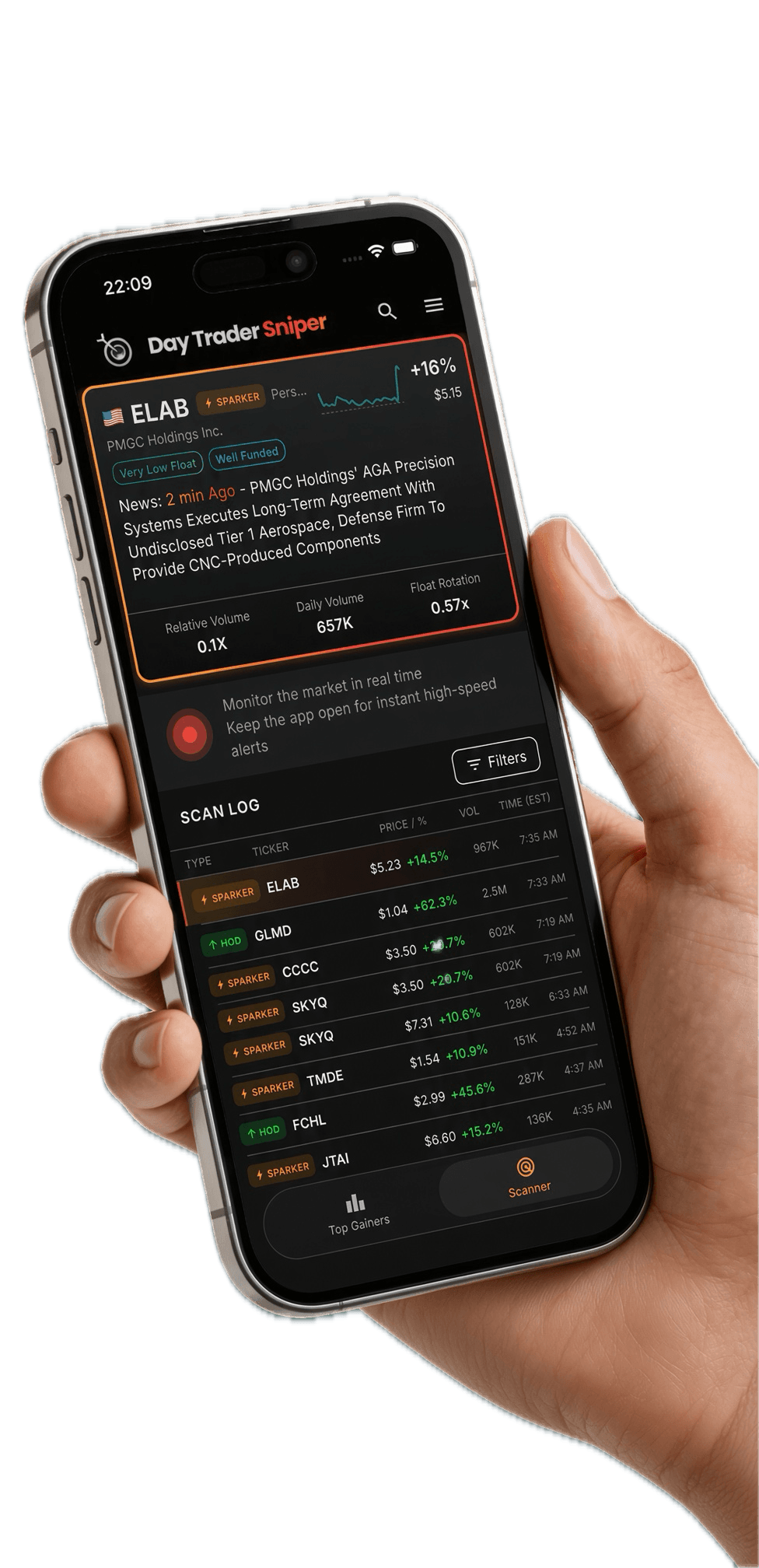
Sparker sounds an audio alert as a move begins, so you can act while it is still forming.
A micro-float industrial-logistics stock recorded an intraday swing of roughly +120% as a private placement and follow-on financings reshaped its share structure.
On August 12, 2026, Singularity Future Technology Ltd. (NASDAQ: SGLY) entered into a securities purchase agreement with a group of investors, agreeing to issue 21,520,803 common shares at $1.394 each for gross proceeds of approximately $30 million. The transaction was structured as a private placement to non-U.S. persons under Regulation S, with closing made contingent on a required approval vote by the company's investors. The agreement was later amended to attach warrants carrying a nominal $0.001 exercise price, a change that would expand the potential future share count if approved.
The financing landed on a company whose profile already invited speculative interest. Singularity operates as an integrated freight-and-logistics provider across China and the United States, spanning transportation, warehousing, delivery, and steel-logistics segments, yet it carries only a little over one million dollars in trailing revenue and a history of losses. Against that thin fundamental backdrop the stock had already run parabolically from around $0.27 in late July toward the $8-plus area by August 10, so news of a $30 million raise, alongside separate registered direct offerings disclosed the same week, arrived into an already-crowded, emotionally charged tape.
Through the mid-August sessions the RNR system recorded an intraday maximum move of about +120% on August 17, a swing consistent with the whippy, headline-sensitive action traders had been tracking. The tape showed the hallmarks of a low-float momentum name: pre-market prints that spiked and immediately faded, drops into the mid-single digits, bounces back into the $7 area, and a pattern of lower highs as supply met each push higher. With a float of only a few million shares and a sub-$6 million market capitalization, small changes in volume translated into outsized percentage moves in both directions.
For active participants the mechanics of the financing mattered as much as the move itself. Each new tranche of stock, the $30 million placement, the nominal-price warrants, and the follow-on direct offerings, added potential supply and dilution, a recurring feature of these micro-cap financing stories. That dynamic, combined with the reverse-split history embedded in the company's recent proxy filings, kept the share structure in flux and helped explain why the intraday ranges stayed so wide.
This summary was generated by AI from public sources and may contain errors. Not financial advice. Trade at your own risk.