
Loading…
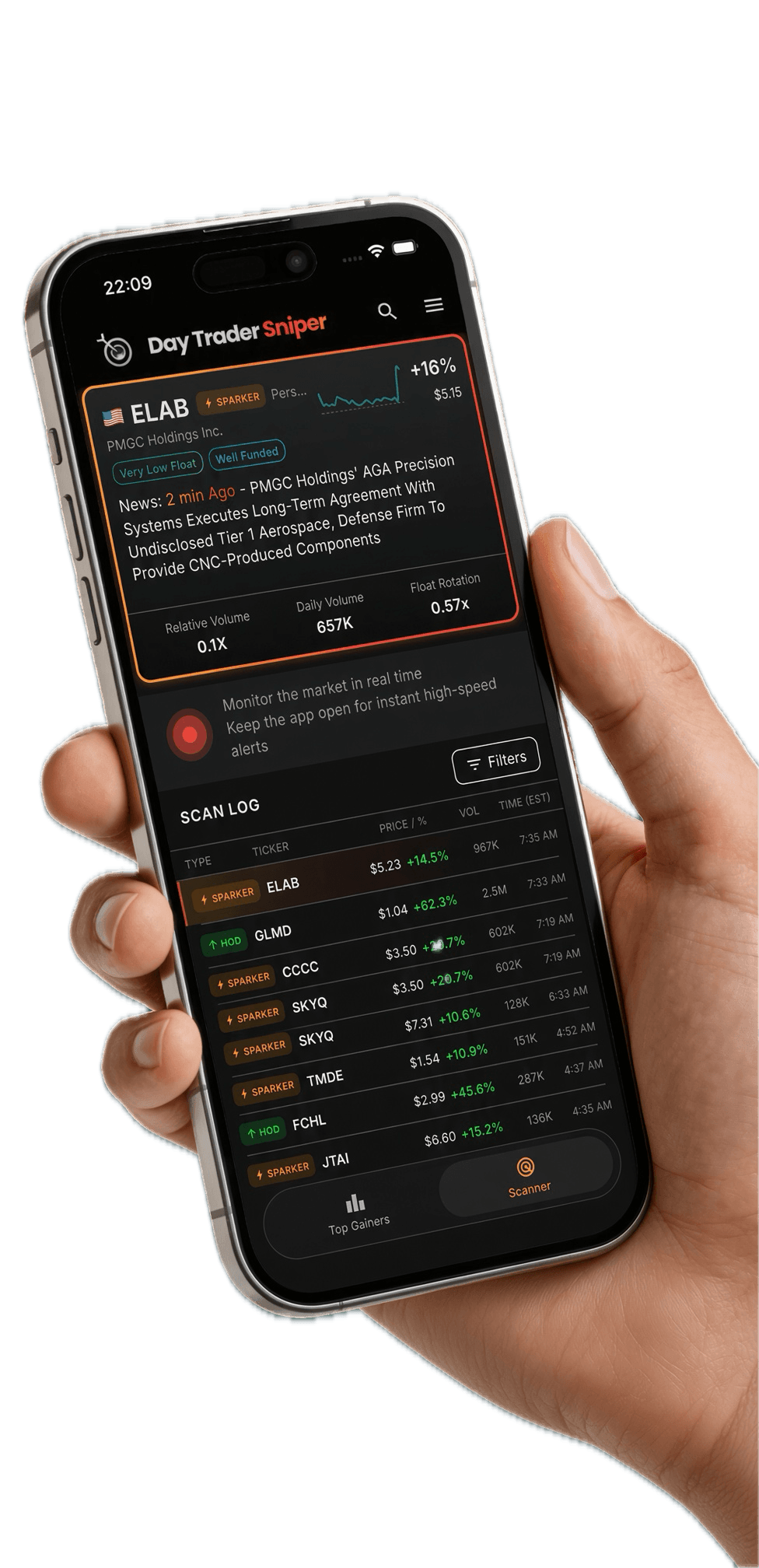
Sparker sounds an audio alert as a move begins, so you can act while it is still forming.
An SEC filing detailing the final equity settlement of debentures first issued on February 9, 2026 coincided with a sharp, high-volume move in the thinly traded shares on August 21, 2026.
Sadot Group, a Nasdaq-listed agri-foods company focused on commodity trading and shipping, filed an update on August 21, 2026 describing the final settlement of a set of debentures it had originally issued on February 9, 2026. According to the filing, the company retired the remaining US$543,478.26 of principal on its 8% unsecured original-issue-discount debentures by issuing 67,936 common shares at a fixed price of US$8.00 per share, after which none of the February debentures remained outstanding.
The February 9, 2026 debentures had totaled about US$1.09 million in principal across four notes and were retired in stages during August through debt-for-equity conversions. Because Sadot carries a very small share count, near 1.3 million shares, and had disclosed a working-capital deficit and a going-concern note, clearing this near-term obligation was a material balance-sheet event for a company whose reported core revenue in the second quarter of 2026 was minimal. The settlement also triggered anti-dilution mechanics on a separate July 2026 senior note, whose conversion price reset to the below-market issuance price.
On the session, the shares closed August 21 at $13.18, up about 56% on the day, after reaching an intraday high near $19.90 and then fading roughly 34% from that peak. Trading volume was heavy relative to the float, at about 18.9 million shares. A same-day equity offering was priced at $8.00, a discount of roughly 39% to the closing price, and the mix of a debt-clearing headline and a dilutive issuance is the kind of push-pull that can produce the wide two-way range the stock printed that day.
Coverage around the same period also noted an executive transition, with the company's chief financial officer departing and the chief executive named interim CFO, as well as the rollout of an AI-related trading platform that had begun generating early revenue. For active traders, the combination of a very low float, a going-concern backdrop, and several simultaneous disclosures is what made the move both large and quick to reverse.
This summary was generated by AI from public sources and may contain errors. Not financial advice. Trade at your own risk.