
Loading…
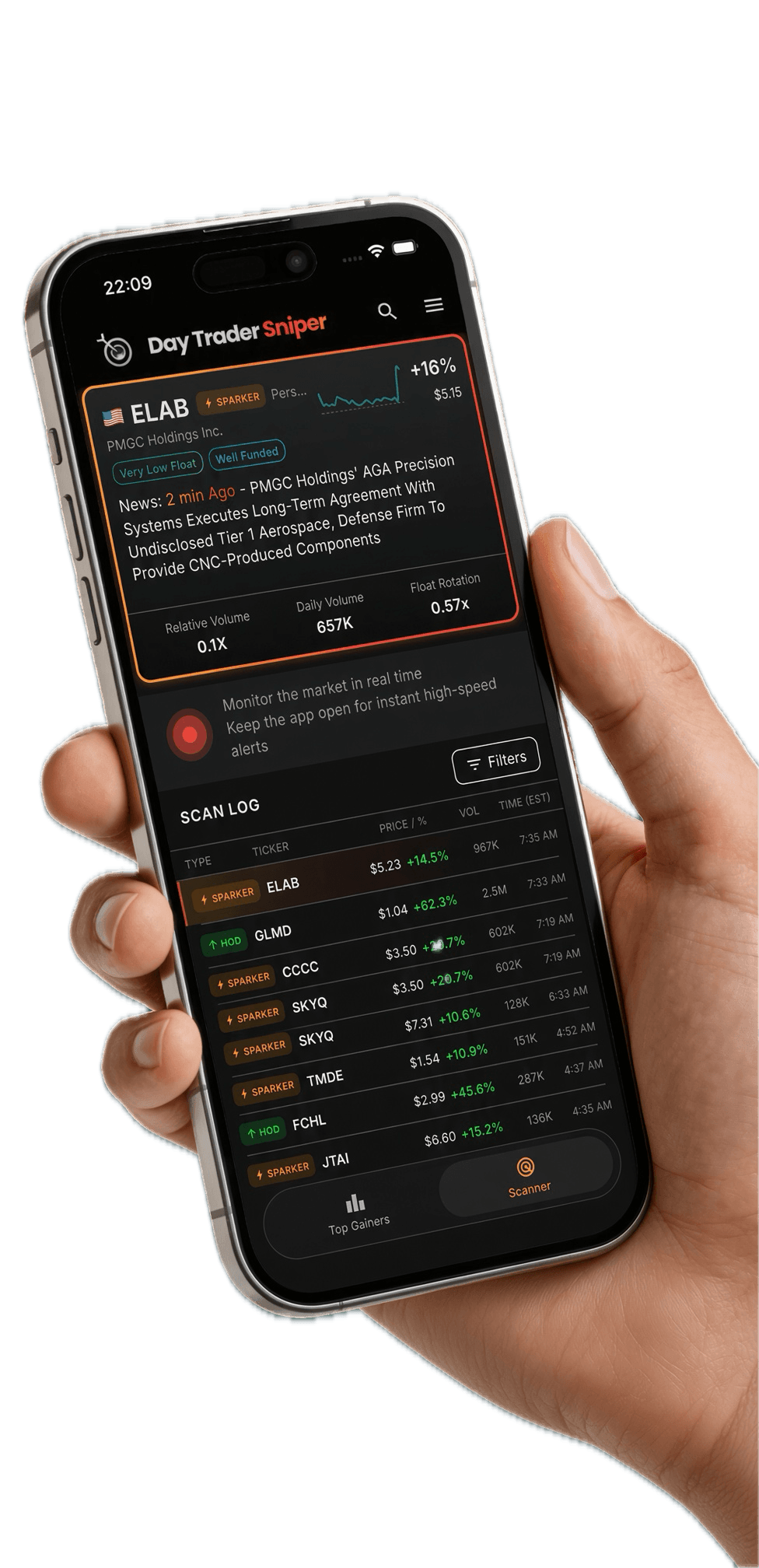
Sparker sounds an audio alert as a move begins, so you can act while it is still forming.
The assisted-reproduction company's second-quarter report met a micro-float stock with under two million shares in its public float, and the session became one of the most volatile low-float reactions in its window.
INVO Fertility, Inc. released its second-quarter 2026 results on August 17, 2026, reporting revenue of about $2.18 million, up 17% from roughly $1.86 million a year earlier, with clinic revenue up 18%. The company posted net income of approximately $0.9 million, versus a net loss of about $3.6 million in the same quarter of 2025 - a swing driven in large part by a one-time $2.5 million remeasurement gain tied to its June 2026 acquisition of the remaining stake in its Birmingham, Alabama clinic. On a diluted basis the quarter came in ahead of the consensus loss analysts had modeled, while consolidated adjusted EBITDA stayed negative at about $1.0 million and clinic-level adjusted EBITDA improved to roughly $333,000.
INVO Fertility operates a network of U.S. fertility clinics and markets INVOcell, a proprietary device used in an intravaginal culture procedure for fertilization and early embryo development. The quarter reflected a full-period contribution from its Family Beginnings acquisition and the Birmingham conversion from joint venture to wholly owned clinic, alongside a cash balance of about $3.7 million. What made the name stand out to active traders, though, was structural rather than fundamental: an unusually small equity base - a public float of under two million shares, against roughly 2.5 million shares outstanding reported as of mid-August - the kind of setup where relatively small volume can produce outsized percentage moves.
The session bore the classic marks of a low-float runner. From a prior close near $0.97, RNR's data captured an intraday high of $3.12 - a maximum intraday move of about 215% - before the stock reversed to an official close around $1.74, still sharply higher on the day but well off the highs. Coverage of the premarket described a ramp from roughly $1 to above $3 within minutes, followed by fast pullbacks and bounces, with five-minute candles swinging 40% or more as traders keyed on the $1, $2, and $3 round numbers. Reported total volume ran to roughly 120 million shares - many times the company's entire public float - a turnover level that illustrates how quickly liquidity can appear and vanish in a micro-cap during an event like this.
Several outlets pointed to the divergence between the operational picture - modest revenue growth and improving clinic-level profitability, but a still-negative consolidated EBITDA and a net-income line flattered by a one-time gain - and the scale of the price reaction, which was widely characterized as momentum- and retail-driven rather than a reflection of a transformational change in the business. For a day-trading audience, that gap between reported fundamentals and tape action is itself the story: the catalyst was an earnings release, but the mechanics of the move were dominated by float and flow.
This summary was generated by AI from public sources and may contain errors. Not financial advice. Trade at your own risk.