
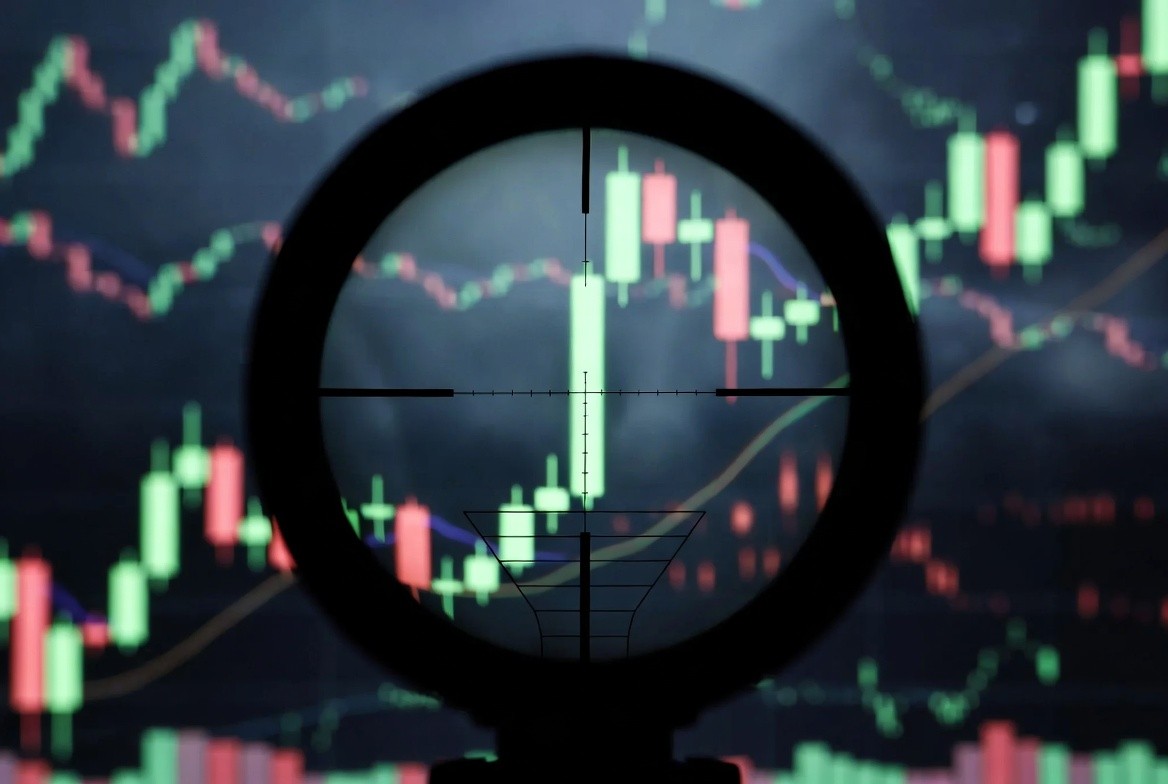
I used to measure my trading by how many trades I took. More trades meant more chances. More chances meant more edge. That was wrong.
The Pattern Every Consistent Trader Shares
Every trader I’ve watched pull money out of small-cap momentum consistently has the same habit: they pass on most setups. Not because they’re slow, and not because they missed them. They have a filter, and most setups don’t clear it.
One clean A+ trade beats five B-minus trades in the same week - not because the A+ trade is bigger, but because the four B-minus trades you didn’t take are four chances to give back what you made. The math is simple. The discipline is not.
Why More Alerts Isn’t More Edge
The industry sells volume. More alerts, more scanners, more plays flagged per day. The assumption baked into that pitch is that volume equals opportunity.
It doesn’t. Volume equals noise.
Somewhere inside a few hundred daily headlines are two or three setups actually worth touching. The rest cost you money, time, or both - screen time spent chasing a gapper that was never going to hold, capital tied up in a position that fades while a real setup runs without you.
The traders who do well aren’t the ones catching every move. They’re the ones who can look at a long list of alerts and correctly throw most of it away in seconds.
What a Pass Actually Looks Like
Passing isn’t a vague feeling that a setup is “off.” It’s specific, and it’s fast once you’ve built the filter:
Float over 20 million on a low-tier catalyst. Pass. The catalyst isn’t strong enough to move that much supply.
A weak headline with no binary outcome attached. Pass. No FDA date, no earnings, no contract announcement - just noise dressed as news.
An active dilution filing on SEC EDGAR. Pass, every time, no exceptions. The company is selling into your trade before you’ve even entered it.
Premarket volume under 150% of daily average on a supposed breakout. Pass. The volume isn’t confirming the move.
A gap that’s already fading before the open. Pass. You’re not early anymore - you’re late to a trade that already happened.
None of those are trades. They’re setups with a story attached, built to look like opportunity to anyone not checking the details.
Building the Filter Instead of Chasing the List
The filter isn’t intuition. It’s a checklist run the same way every time, before size, before entry, before the adrenaline of a fast-moving chart makes the decision for you.
Write yours down. Keep it short enough to run in under a minute per setup. The traders who skip this step end up making the same mistake in a new stock every week - not because the mistake is hard to see, but because it’s easy to skip the check when a chart is already moving.
Reframing the Flat Session
The session where I took zero trades used to feel like a failure. I’d sit through a full day, watch dozens of alerts fire, and walk away with nothing to show for it.
Now it feels like capital preserved for the next real setup. The trade I didn’t take - a Tier 3 catalyst with an active shelf offering sitting on top of it - made me money. Not because I gained anything that day. Because I didn’t lose it, and that capital was still there when a real setup showed up two days later.
Discipline doesn’t feel like winning in the moment. It feels like nothing happened. That’s the point.
FAQ
Why do most day trading catalysts turn out to be bad trades? Most headlines that trigger a stock alert don’t clear the bar for a real, binary catalyst. Weak news, thin volume, or active dilution filings turn what looks like a setup into a trap once you check the details.
How many setups should a day trader actually take? There’s no fixed number, but traders who filter hard typically act on a small fraction of what crosses their scanner - often just two or three genuinely strong setups out of hundreds of daily alerts.
Is passing on a trade really the same as making money? Indirectly, yes. Capital not lost on a low-quality setup is capital available for the next high-quality one. Consistent traders treat avoided losses as part of the same discipline that produces gains.
Filtering by hand works, but it’s slow when a market is moving fast. Day Trader Sniper’s Entry Checklist scores every alert against your own criteria in real time, so the pass/skip decision is already made before you’ve finished reading the headline.
Disclaimer: This article is for educational purposes only and does not constitute financial or investment advice. Trade at your own risk.




©2026 Day Trader Sniper - all rights reserved